
Advantages of Using Plate Compactor Machines: Essential Plate Compactor Benefits
In the construction industry, efficiency and quality are paramount. One piece of equipment that significantly contributes to both is the plate compactor machine. This machine plays a crucial role in preparing surfaces for construction by compacting soil, gravel, and asphalt. Its use ensures a stable foundation, which is vital for the longevity and safety of any structure. In this article, I will explore the key advantages of using plate compactor machines, highlighting their benefits and practical applications.
Understanding Plate Compactor Benefits
Plate compactors offer several advantages that make them indispensable on construction sites. Their design and functionality provide a range of benefits that improve project outcomes. Here are some of the primary plate compactor benefits:
Improved Soil Stability: By compacting soil and other materials, plate compactors increase the density and stability of the ground. This reduces the risk of settling or shifting, which can cause structural damage over time.
Enhanced Load-Bearing Capacity: Compacted surfaces can support heavier loads, making them suitable for roads, pavements, and building foundations.
Time and Labor Efficiency: Using a plate compactor speeds up the compaction process compared to manual methods. This efficiency reduces labor costs and project timelines.
Versatility: Plate compactors can be used on various materials, including soil, sand, gravel, and asphalt, making them suitable for multiple construction tasks.
Cost-Effectiveness: Investing in a plate compactor machine reduces the need for rework and repairs caused by poor compaction, saving money in the long run.
These benefits collectively contribute to safer, more durable construction projects. The machine’s ability to deliver consistent compaction results is a significant advantage for contractors and project managers aiming for high-quality outcomes.
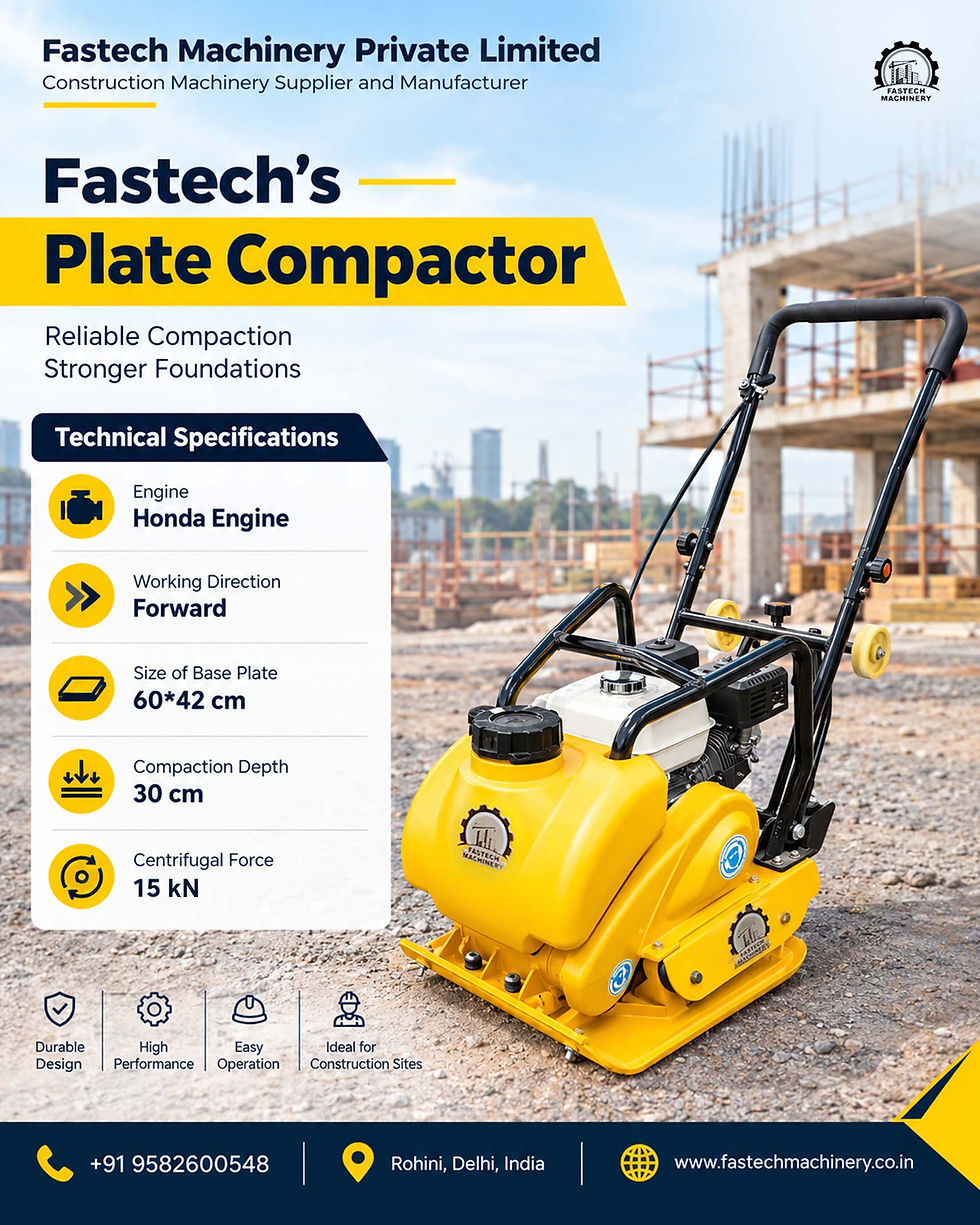
What is a Plate Compactor Used For?
A plate compactor is primarily used to compact and level surfaces before construction begins. Its applications include:
Soil Compaction: Preparing the ground for foundations, walkways, and driveways by compacting loose soil.
Asphalt Compaction: Ensuring smooth and durable asphalt surfaces for roads and parking lots.
Gravel and Sand Compaction: Creating stable bases for paving stones, patios, and other landscaping projects.
Trench Compaction: Compacting backfill material in trenches to prevent future settling.
The machine works by vibrating a heavy steel plate that presses down on the surface, forcing particles closer together. This process eliminates air pockets and increases material density. The result is a firm, level surface ready for construction or paving.
Using a plate compactor machine is especially important in areas with loose or uneven soil, where manual compaction would be inefficient or ineffective. Its ability to provide uniform compaction ensures that the foundation remains stable under load.
Practical Advantages in Construction Projects
In real-world construction scenarios, the advantages of plate compactors become even more apparent. Here are some practical benefits observed on site:
Consistent Compaction Quality
Manual compaction methods often lead to uneven results. Plate compactors deliver uniform compaction across the entire surface, reducing weak spots that could compromise structural integrity.
Reduced Project Delays
Faster compaction means that subsequent construction phases can begin sooner. This helps keep projects on schedule and reduces downtime.
Lower Risk of Structural Failures
Properly compacted soil and materials minimize the risk of foundation settling, cracks, and other structural issues that can be costly to repair.
Improved Safety
Stable surfaces reduce hazards such as uneven ground or loose materials, creating a safer work environment for construction crews.
Adaptability to Different Terrains
Plate compactors can be used in confined spaces and on various surface types, making them versatile tools for diverse construction needs.
These advantages highlight why investing in a reliable plate compactor machine is a smart decision for construction companies aiming to enhance productivity and quality.
Tips for Maximizing the Benefits of Plate Compactors
To fully leverage the advantages of plate compactors, consider the following recommendations:
Select the Right Machine Size: Choose a plate compactor that matches the scale of your project. Larger machines are suitable for extensive areas, while smaller ones work well in tight spaces.
Regular Maintenance: Keep the machine in good condition by performing routine checks and servicing. This ensures consistent performance and extends the machine’s lifespan.
Proper Technique: Operate the compactor at the correct speed and overlap passes to achieve uniform compaction.
Material Preparation: Ensure the surface is free of debris and moisture levels are appropriate for compaction. Excessive moisture can reduce effectiveness.
Safety Precautions: Use personal protective equipment and follow safety guidelines to prevent accidents during operation.
By following these tips, construction teams can optimize the use of plate compactors and achieve the best possible results.
The Role of Plate Compactors in Sustainable Construction
Sustainability is becoming increasingly important in construction. Plate compactors contribute to sustainable practices by:
Reducing Material Waste: Proper compaction minimizes the need for additional fill material and reduces the risk of rework.
Enhancing Durability: Well-compacted surfaces last longer, decreasing the frequency of repairs and replacements.
Lowering Energy Consumption: Efficient compaction reduces the time and fuel required for construction equipment, cutting down on emissions.
Incorporating plate compactor machines into construction workflows supports environmental goals while maintaining high standards of quality and safety.
Using a plate compactor machine is a strategic choice for any construction project. Its ability to improve soil stability, increase load-bearing capacity, and speed up work processes makes it an essential tool for contractors and project managers. By understanding and applying the advantages of plate compactors, construction teams can ensure stronger foundations, safer sites, and more efficient project completion.


Comments